


Communications Assets
•
August 14, 2026
Stay connected by subscribing below so you never miss an update.
Subscribe to Mission Control Updates
Up Next
From this Collection: Mission Control

August 14, 2026 • 4 Minute Read
The 7 Building Blocks
This is the foundation on which a successful communication strategy in our church is built. Each block builds on top of the other. 1) Assign Level 1, 2, 3, or 4 to Every Ministry What this step is:
Formally classify every ministry, department, and event into a communication level so not everything is treated as equally urgent or equally visible. This is the foundational act that makes every other step possible. Why it matters:
Without levels, churches default to promotional chaos: too many announcements, too much competition for attention, and growing tension between ministries. Levels protect attention and clarify expectations. How to do it (actions): Use the four communication levels:
- Level 1: Impacts 80% of the church + bridge events
- Level 2: Core next steps (baptism, groups, giving, serving, etc.)
- Level 3: Next Gen (kids, youth, young adults)
- Level 4: Individual ministries, departments, and groups Inventory everything your church does (calendar + ministries) and assign a level to each Share the completed levels document internally so ministries understand where they fit. Done when: Every ministry and recurring event has a level assigned, and no promotion is planned without first identifying its level. 2) Publish Policy What this step is: Install shared language that governs how communication decisions are made, so informal, personality-driven policy doesn’t take over. Why it matters: Policy eliminates personal tension by replacing opinions with principles. It also ensures consistency across announcements, social media, and promotions. The policy to publish: Communications Policy (6 rules): Awareness is not interest Sunday is not your Savior The more you announce, the less they listen Inspiration over information One destination for every promo Values dictate voice Social Media Policy (7 rules): All efforts are informed by Christ Stop the scroll Identify intersections of faith & culture No weeks off Principle of congruency Social is a springboard Repeat the best, forget the rest, continue to test How to do it (actions): Circulate both policies to staff and key volunteers. Reference policy language when approving, denying, or reshaping promos. Use policy as the justification, not personal preference. Done when: Policy language is referenced naturally in meetings (“this is Level 4,” “Sunday isn’t our Savior,” “what’s the one next step?”). 3) Give Each Ministry a Home What this step is: Create clear, appropriate digital real estate for every ministry so visibility doesn’t depend on stage time or churchwide channels Why it matters: Most ministry frustration comes from having nowhere to send people. Giving ministries a home reduces pressure on announcements while increasing autonomy. How to do it (actions): Level 1–3: May have dedicated pages on the Central Hub website. Level 4 ministries: May have dedicated Post Collections on the Central Hub website. Done when: Every ministry has a clear destination you can confidently point people to without adding pages everywhere. 4) Supply Promotions Playbooks What this step is: Replace improvisation with repeatable promotion blueprints based on communication level. Why it matters: Playbooks prevent promotional bloat, protect attention, and ensure fairness across ministries.. Done when: Every promo request is answered with a playbook, not a debate. 5) Create the Weekly Bulletin What this step is: Establish a single, exhaustive, churchwide record of what’s happening each week Why it matters: This is how Level 4 ministries get churchwide visibility without bloating announcements. How to do it (actions): Publish the Weekly Bulletin as a Post Collection Promote it weekly via:
- Pre-service slide (QR code)
- Launcher action
- Email delivery Structure each bulletin:
- Day-by-day events
- Brief descriptions where needed
- Featured sections for emphasis
- Upcoming section for future events Done when: Anyone can answer “what’s happening at church this week?” without asking staff. 6. Commit to the Church Announcements Formula What this step is: Standardize every announcement around one story + one next step. Why it matters: Information doesn’t move people; inspiration does. Multiple next steps kill response. How to do it (actions): Limit stage announcements to three or fewer. Every announcement:
- Leads with a story
- Ends with the same next-step script
- Never list logistics from stage; always send people to the destination Done when: People stop asking, “Where do I go for more info?” 7) Launch Your Central Hub What this step is: Make your website the one destination for every promo, available 24/7, on every device Why it matters: Fewer options lead to more action. The Central Hub turns inspiration into measurable next steps. How to do it (actions): Use a website (not an app) as the hub. Install:
- Launcher
- Posts & Posts Collections
- Weekly Bulletin Use the same next-step language everywhere until it becomes culture Done when: Your congregation instinctively knows where to go next - without being told differently each week.

August 14, 2026 • 2 Minute Read
Church Communications Policy
Here’s a cheat sheet to help you discern the what, the how, and most importantly, the why behind the way we communicate. 1) Awareness Is Not Interest Getting people to know about an event isn’t the goal - the goal is to move them toward action. Every communication should drive a clear next step, not just passive awareness. 2) Sunday Is Not Your Savior A stage announcement won’t magically solve low attendance or engagement. The belief that Sunday morning can fix every promo will keep our church from building real solutions. 3) The More You Announce, The Less They Listen Overloading people with information backfires. When everything is emphasized, nothing feels important - and response rates go down, not up. 4) Inspiration Over Information Facts and details don’t move people, stories do. We use storytelling to inspire next steps - instead of drowning people in data. 6) One Destination For Every Promo Don’t scatter next steps across multiple channels. Send every promo to one consistent destination, so the church knows exactly where to go - every time. 6) Values Dictate Voice How we communicate matters as much as what we communicate. Our voice is anchored in our church’s core values and ‘Start Again Stories’ to keep messaging consistent, authentic, and aligned with our mission.

August 14, 2026 • 2 Minute Read
Church Social Media Policy
Here’s a cheat sheet to help you discern the what, the how, and most importantly, the why behind the way we post on social media. 1) All Efforts Informed By Christ Social media is not just another marketing tool - it must be rooted in the mission of the Church. The Great Commission provides the “why”: sharing The Good News where people already spend their attention. With billions online daily, social media is a historic opportunity for free, global (and local) distribution of the gospel. 2) Stop The Scroll Attention is the gateway to life change. Without it, no message - no matter how good - will be heard. The goal of every post is to interrupt the endless behavior of scrolling and earn a moment of focus. Hooks, visuals, and first impressions must be designed to compel people to stop and watch. 3) Identify Intersections Of Faith & Culture Jesus taught using familiar cultural touchpoints (farming, money, work). Churches must do the same today by connecting Biblical wisdom to universal human experiences (finances, parenting, anxiety, purpose). These intersections form strong hooks that make content accessible and compelling for both believers and seekers. 4) No Weeks Off Consistency is the non-negotiable of social media. Algorithms favor regular posting because it gives them data to work with; without it, momentum is lost. Churches don’t need daily output, but they must show up weekly. Longterm relationships require sustained presence. 5) The Principle Of Congruency Our online presence should reflect our in-person experience. If sermons are central on Sunday, they should also be present online. If our church is joyful and welcoming in person, our tone online should match. Congruency builds trust and ensures visitors aren’t surprised when they meet our church face-to-face. 6) Social Is A Springboard Online ministry doesn’t replace in-person gatherings - it complements them. Social creates opportunities for connection by extending ministry into the 167 hours of the week beyond Sunday service. It’s a launchpad that helps people move from digital encounters to embodied community and deeper spiritual growth. 7) Repeat The Best, Forget The Rest, Continue To Test Social is unpredictable. No one can forecast which posts will resonate. When something works, repeat it - whether it’s a topic or a format. Abandon what consistently falls flat. And always reserve space for testing new ideas, because today’s “best” was once an experiment.
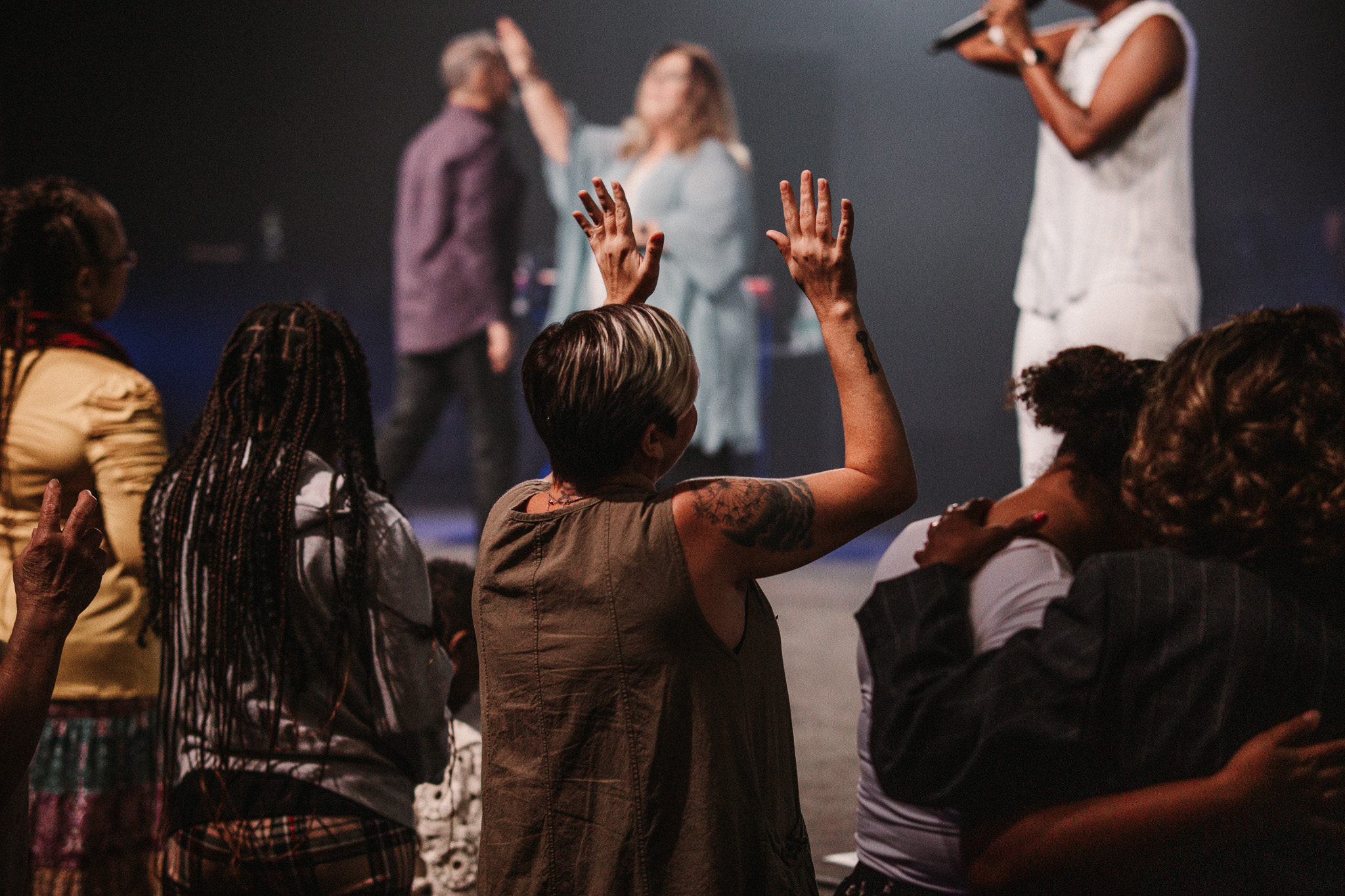
November 9, 2026 • 2 Minute Read
Weekly Bulletin
Welcome to the weekly roundup 👋 This is your one-stop spot for everything happening in our church family. From kids to adults, small groups to special events, here's how you can get connected over the next seven days. Sunday, November 15th Sunday Service - 10:00 am Upcoming Events Women’s Ministry Friendsgiving - Wednesday, November 18th at 7:00 pm - Sign Up Here! Christmas Decorating - Sunday, November 29th after Sunday service - Sign Up Here!New here? We'd love to connect. This Week's Message "Worship That Walks"
Pastor Richard Ledford | Romans 11-12 What does it truly mean to live a life of worship?
Worship is more than singing songs on Sunday. It is how we live every day. It is reflected in our obedience, our love for others, our willingness to serve, and our commitment to follow God's will. Through Romans 12, Pastor Richard shares practical biblical principles on how to live a transformed life by renewing our minds, using our God-given gifts, loving sincerely, showing mercy, and overcoming evil with good. Watch last week’s sermon 👇Watch Online Giving Your generosity makes our work in this city possible. We’re so grateful for you.Give Now Here New to our community? No pressure. Today, just be our guest. Stay Connected 📩 Subscribe to this Collection to get these updates delivered directly to your inbox. 📸 Follow us on Instagram, Facebook, and .YouTube 💬 Pastoral care or questions? Connect with us at hello@myrpt.org. Services: Sundays at 10:00 am
3881 N Monroe St., Tallahassee, FL, United States, 32303

August 14, 2026 • 2 Minute Read
Promotions Playbook
The Communication Department is here to help you ensure effective and concise communication in a timely manner for your ministry event and/or communication needs. With a limited amount of time, energy, and space that can be allocated to communications, our communication levels will provide clarity on who, what, where, when, and how we communicate - both internally and externally. Sometimes, we have to make difficult decisions about which things will be promoted in which capacities. Any communication decisions are made based on the church’s mission and values, along with the purpose, target audience, timeframe, and detail of the requested event. We have five ministry levels that determine how we promote events for each ministry. If you need to brush up on how we assign those levels, read this post 👇If you need to brush up on how we assign those levels, read this post. Here’s how we’re going to support each level of ministry in our church. This is the how, what, when, and where we communicate for each level. For specific Playbooks for each level of ministry, click the corresponding card.Ministry Level 1 – Campaign PlaybookMinistry Level 2 – Campaign PlaybookMinistry Level 3 – Campaign PlaybookMinistry Levels 4 & 5 – Campaign Playbook 🤔 Have any questions? Reference the Ministry Level Assignments post.
🥵 Still need a little help? Get in touch with Communications at our church here.

August 14, 2026 • 3 Minute Read
Ministry Level Assignments
The Communication Department is here to help you ensure effective and concise communication in a timely manner for your ministry event and/or communication needs. With a limited amount of time, energy, and space that can be allocated to communications, our communication levels will provide clarity on who, what, where, when, and how we communicate - both internally and externally. Sometimes, we have to make difficult decisions about which things will be promoted in which capacities. Any communication decisions are made based on the church’s mission and values, along with the purpose, target audience, timeframe, and detail of the requested event. To help guide us, we assign Ministry Levels. Level 1 – Impacts 80% Of The Church Highest priority communications reserved for events or needs that genuinely affect the vast majority of the congregation or serve as a bridge to the broader community. These receive the most resources and visibility. Examples: Service time change Fall Festival Vacation Bible School (VBS) Christmas services Easter services Level 2 – Core Next Steps Essential next steps that are universally applicable for ongoing discipleship and integration, even if not every member has taken them yet. These are the foundational rhythms of church life. Examples: New visitor follow-up (ie. connect card) Volunteering/serving Giving Baptism Small groups Intro/Growth Track class Level 3 – Next Generation Dedicated exclusively to kids, youth, and young adults because of their disproportionate importance in shaping the church’s vitality and future. Investment here catalyzes growth across all generations. Examples: Youth Ministry Kids Ministry Young Adults Ministry Level 4 – Individual Ministries, Departments, and Groups Covers distinct ministries and groups that serve specific segments of the church. Important locally, but not universally applicable across the whole congregation. Examples: Men’s ministry Women’s ministry Missions department Prayer ministry Outreach ministry Individual Small Groups (ie. The Running Club Group) Level 5 – Individual Events The most specific category, made up of standalone events tied to a ministry or group. Examples: Running Club Saturday Meetup @ Jake’s Café Couples Date Night Food Bank Fundraiser Park Clean-Up Here’s how we’re going to support each level of ministry in our church. This is the how, what, when, and where we communicate for each level. Our Ministry Levels We use this spreadsheetto document and assign communication levels to each ministry at our church. Reference this sheet to learn about where your ministry fits in to our communication strategy and how we’re going to support promoting your events.Ministry Levels SpreadsheetMinistry Promotions Playbook

August 14, 2026 • 2 Minute Read
Ministry Level 1 – Campaign Playbook
8-Week Blueprint For Major Church Events (e.g., Christmas, Easter, VBS) Level 1 – Impacts 80% of Church
Highest priority communications reserved for events or needs that genuinely affect the vast majority of the congregation or serve as a bridge to the broader community. These receive the most resources and visibility. Examples: Service time change Fall Festival Vacation Bible School (VBS) Christmas services Easter services Campaign Phases: Awareness (Weeks 1–4) — Build recognition and momentum Interest (Weeks 5–7) — Move from awareness to emotional connection Urgency (Week 8) — Drive action and attendance Promotional Assets Available In LevelDownload The Playbook Week 1 – Launch & Announce “Awareness Phase” Foundation: Begin official promotion church-wide Lean on The Church Announcements Formula: 1 story + 1 next step Publish first Sprinkle Promos across platforms Direct everyone to The Central Hub (event webpage) Resource all physical and digital touchpoints Week 2 “Awareness Phase” Foundation: Maintain visibility without oversaturation Continue long-lead assets (Pre-Service Slide, Welcome Desk) Avoid repeating churchwide reminders too early Week 3 “Awareness Phase” Foundation: Re-surface the event through interactive content Connect in-person and online promotion (The Handoff) Introduce lighthearted engagement to spark awareness Week 4 “Awareness Phase” Foundation: Build continuity instead of isolated announcements Use The Callback announcement framework to recap and carry momentum from previous week Week 5 “Interest Phase” Foundation: Transition from Awareness Phase to Interest Phase Let social, text, and email breathe for a week to prepare for final push Week 6 “Interest Phase” Foundation: Anchor communication in church values and voice Repurpose creative content across all channels Week 7 “Interest Phase” Foundation: Maintain momentum through creative variety Week 8 “Urgency Phase” Foundation: Transition from Interest Phase to Urgency Phase Final push for attendance and action Add high-visibility web and social assets Run short, high-frequency Sprint Promotion push Sprint Promotion = Churchwide promo campaigns run 2-4 times per year max - each lasting no more than 7 days Sprint Promotions are reserved for Level 1 campaigns only Post Event Document & Debrief Phase Foundation: Capture and share proof that the event was worth attending Engage those who did not attend (“lurkers”) Clean up expired promos immediately During Event: Post live updates and behind-the-scenes photos/videos After Event: Publish recap post and email Remove banner and action from The Launcher Remove Info Card from Next Steps page (if applicable)Download The PlaybookBack To The Playbook
August 14, 2026 • 3 Minute Read
Ministry Level 2 – Campaign Playbook
Two Blueprints For Core Next Steps (Ongoing Core Next Steps + Time-Sensitive Core Next Steps) Level 2 – Core Next Steps
Level 2 campaigns are dedicated to core next steps — the foundational rhythms of church life. These are initiatives that help people take meaningful action in discipleship and connection. Examples: New visitor connection Volunteering and serving opportunities Giving Baptism Small groups Intro/assimilation classes (Growth Track) Promotional Assets Available In Level 2Download The Playbook Campaign 1 – Ongoing Next Steps (Example: Ongoing Small Groups) Foundation: Used for ongoing next steps that have no fixed start or end date Follow this blueprint for core next steps available year-round (e.g., giving, volunteering, ongoing small groups) Start by breaking the year into four quarters (13 weeks each) Use the following Staple Week blueprint to maintain a constant presence for your church’s core next steps every week Use the Highlight Week to periodically raise visibility for your church’s core next steps Schedule your Highlight Weeks in rolling 4-6 week intervals, depending on how many core next steps your church has
– (Example: Your church has 6 core next steps = schedule a Highlight Week for each core next step every 6 weeks) Campaign 2 – Time-Sensitive Ongoing Next Steps (Example: Seasonal Small Groups or Annual Giving Campaign) Foundation: Used for short-term, date-specific core next steps (e.g., Small Group sign-ups, Heart For The House offering) Campaign runs 2–4 weeks depending on event length 4-week default; omit Week 2 for 3-week version; use Weeks 1 + 4 for 2-week version Week 1 – Launch & Announce (Interest Phase) - Begin official promotion church-wide
- Lean on The Church Announcements Formula: 1 story + 1 next step
- Publish first Sprinkle Promos across platforms
- Direct everyone to The Central Hub (event webpage)
- Resource all physical and digital touchpoints Week 2 - Maintain visibility without oversaturation
- Continue long-lead assets (Pre-Service Slide, Welcome Desk)
- Avoid repeating full-church reminders too early Week 3 - Anchor communication in church values and voice
- Repurpose creative content across all channels Week 4 – Urgency Phase - Final push for attendance and action
- Emphasize limited time, but do not increase frequency of promotion
- Urgency is embodied in language, not quantity of promos (unlike Level 1 promo campaigns where both measures are employed) Post Event Document & Debrief Phase Foundation: Capture and share proof that the event was worth attending Engage those who did not attend (“lurkers”) Clean up expired promos immediately During Event: Post live updates and behind-the-scenes photos/videos After Event: Publish recap post and email Remove action from The Launcher Remove section from Next Steps page (if applicable)Download The PlaybookBack To The Playbook
August 14, 2026 • 3 Minute Read
Ministry Level 3 – Campaign Playbook
Next Generation Campaigns (Kids, Youth, & Young Adults) Level 3 – Next Generation
Level 3 is dedicated exclusively to next generation ministries - youth, kids, and young adults. While churches often value these ministries deeply, their demographics may not yet reflect that investment. The principle comes from Growing Young (Fuller Institute):
“Churches that make young people feel at home experience growth across all generations.” Why This Matters: Next Gen is treated as its own communications level not because of attendance size or giving percentage, but because of its unique catalytic value for overall church health and vitality. Unique Application: Ministries with independent services (e.g., youth ministry) can adopt the full Levels Framework internally: Level 1 = Events that reach 80%+ of the youth ministry Level 2 = Core next steps (e.g., volunteering in youth band, joining youth small groups) Level 3–5 = Narrower promotions accordingly This same logic applies to multi-campus ministries: if a campus has its own live worship and preaching (not simulcast), it can follow the Levels Framework independently. Importantly, just because this option exists, doesn’t mean it must be adopted. Multi-level ministry brings greater complexity and demands more resources. Only commit to that model if you’re confident you have the ability to support it. Otherwise, simpler is better. Foundation: Campaign runs 2–4 weeks depending on event length 4-week default; omit Week 2 for 3-week version; use Weeks 1 + 4 for 2-week version Promotional Assets Available In Level 3Download The Playbook Week 1 – Launch & Announce (Interest Phase, e.g. Winter Retreat) - Begin official promotion church-wide
- Lean on The Church Announcements Formula: 1 story + 1 next step
- Publish first Sprinkle Promos across platforms
- Direct everyone to The Central Hub (event webpage)
- Resource all physical and digital touchpoints Week 2 – (Awareness Phase) - Maintain visibility without oversaturation
- Continue long-lead assets (Pre-Service Slide, Welcome Desk)
- Avoid repeating full-church reminders too early Week 3 (Interest Phase) - Anchor communication in church values and voice
- Repurpose creative content across all channels Week 4 – Urgency Phase - Final push for attendance and action
- Emphasize limited time, but do not increase frequency of promotion
- Urgency is embodied in language, not quantity of promos (unlike Level 1 promo campaigns where both measures are employed) Post Event Document & Debrief Phase Foundation: Capture and share proof that the event was worth attending Engage those who did not attend (“lurkers”) Clean up expired promos immediately During Event: Post live updates and behind-the-scenes photos/videos After Event: Publish recap post and email Remove action from The Launcher Remove section from Next Steps page (if applicable)Download The PlaybookBack To The Playbook
August 14, 2026 • 3 Minute Read
Ministry Level 4 – Campaign Playbook
Ministry & Department Promotions (Level 4 = Ministry Departments | Level 5 = Individual Events) Level 4 — Distinct Ministries & Departments
Examples:
- Men’s & Women’s Ministry
- Missions Department
- Prayer Ministry
- Outreach Ministry
- Individual Small Groups (e.g., Running Club Group) Level 5 — Individual Events or Functions
Examples:
- Running Club Group Saturday Meetup @ Jake’s Café
- Couples Date Night
- Food Bank Fundraiser
- Park Clean-Up These levels serve specific segments of the congregation - important locally, but not universally applicable across the whole church. Promotional Assets Available In Levels 4 & 5Download The Playbook Foundation: Levels 4 & 5 balance centralized communication and ministry autonomy Level 4 ministries receive permanent representation on the Next Steps Page via Info Cards Each ministry has its own Posts Collection to publish updates, recaps, and upcoming events Each individual event (Level 5) receives a dedicated Post and placement on the Calendar Page Ministries can build their own email lists through subscribe boxes in their Posts Collection and at live events Events and ministries surface churchwide through The Weekly Bulletin and social Sprinkle Promos Campaigns runs 2–4 weeks depending on event length 4-week default; omit Week 2 for 3-week version; use Weeks 1 + 4 for 2-week version Week 1 – Launch & Announce (Interest Phase e.g. Outreach Ministry, Park Clean Up Event) - Publish all foundational web assets and digital listings
- Announce event in The Weekly Bulletin
- Send ministry-specific email and/or text campaigns
- Optional Sprinkle Promo on main church social accounts Week 2 - Maintain visibility without oversaturation
- Continue long-lead assets (Weekly Bulletin Pre-Service Slide, Welcome Desk)
- Avoid repeating reminders too early Week 3 - Anchor communication in church values and voice
- Repurpose creative content across all channels
- Repeat Week 1 promotion framework with new creative or updated visuals Week 4 – Urgency Phase - Use urgency language (“This weekend,” “Final chance,” etc.)
- Continue promotion through all available Level 4 & 5 channels
- Optionally use a Smuggle Promotion From Stage under a Level 2 category (e.g., volunteering) Post Event Document & Debrief Phase Foundation: Capture and share proof that the event was worth attending Engage those who did not attend (“lurkers”) Clean up expired promos immediately During Event: Post live updates and behind-the-scenes photos/videos After Event: Publish recap post and email Remove action from The Launcher Remove section from Next Steps page (if applicable)Download The PlaybookBack To The Playbook

August 14, 2026 • 5 Minute Read
The Church Announcements Formula
Part 1 = One Story Part 2 = One Next Step 3 Rules For Implementation The Next Step Script (use every time) Common Questions Part 1 = One Story It doesn’t need to be an elaborate story. It doesn’t need to be a special story. So long as it’s story, it’ll keep attention. Why? Because storytelling is the only type of communication that actually forces our brains to focus and pay attention? Not only that, stories actually have the power to affect our attitudes, beliefs, and behaviors [Source: Why Inspiring Stories Make Us React, National Library Of Medicine]. Instead of wasting breath in a church announcement talking about the time, location, cost, meeting address, etc., replace that with a story and watch attention and response soar. Let’s explore a few real examples of how to do this from stage: Baptism Announcement, Personal Story Kids Ministry Volunteer Announcement, Interview Story Some Written Examples Men’s Conference (pickleball story) "Men's Conference is fast approaching. One element of conference that is always memorable are the activities. Last year I did pickleball for the first time. Honestly, I was awful at the game. Had never even really heard of it before I had signed up - believe it or not. I remember getting ready for the activity on the Saturday afternoon thinking to myself, "What are you supposed to wear for pickleball? Is it like tennis? Or is it just casual gym wear? Do I need wristbands?" Anyway, I got teamed up with a guy from our church named Mike. Turns out Mike has two daughters just like me. And he had played a couple of times before so he was sharing some pointers. And later that summer Mike's family had ours over for dinner and the kids got to play together. This is why we love conference so much. It's all about making moments. And we really want you to make the time and attend this year. Find all the details at [CHURCH WEBSITE] or scan the QR code on the back of the blue card that says ‘Connect’.” Worship Night (toddler in service story) "So we have a three-year old daughter. Most weeks she has a great time in kids church. Other times, she's insistent on sitting with us in service. So on a recent Sunday morning, she's with us during worship, I'm holding her in my arms while we sing, and she sees Pastor Mel on the screen. And Pastor Mel is raising her hands while she leads us in worship. And because my daughter loves Pastor Mel so much, what does she do? She raises her hands too of course. Which melted my heart as a dad. That was a special moment. Sometimes you just need a little extra bit of worship time, right? That's why we have our monthly Encounter nights. The last Sunday evening of every month. Find all the details at [CHURCH WEBSITE] or scan the QR code on the back of the blue card that says ‘Connect’.” Part 2 = One Next Step Every next step in your church should always point to the same destination: The Central Hub. What is The Central Hub? One destination for every promo (no scattered next steps). Always the same spot: consistent, reliable, and simple. Works for every church - big, small, young, or multi-generational. 3 Rules For Implementation Rule #1: Accessible 24/7 There are 168 hours in a week - Sunday service is just 1 We want our congregation able to take next steps any time, any day Rule #2: Accessible On Every Device The Central Hub needs to be accessible on phones, tablets, laptops, and desktops This is why it isn’t best practice to use an app for our Central Hub; it isn’t accessible on desktops or laptops, and adds an unnecessary extra hurdle Rule #3: Capture, Store, Distribute Info The Central Hub must be able to collect and store next step data Our Central Hub must also be able to transfer data to our preferred database as needed The Next Step Script (use every time) “Head to [OUR WEBSITE] or scan the QR code on the back of the [colored] card that says ‘Connect’.” Example: “Head to hopechurch.life or scan the QR code on the back of the blue card that says Connect.” Never tell people to: Call the office Email a leader Talk to Pastor Download an app Why? Repetition builds culture It creates a universal call-to-action It eliminates confusion and clutter Common Questions What about older members? Station volunteers at kiosks with tablets Walk people through once - most will continue independently What about our Church Management Systems (ChMS)? Integrate (e.g., Planning Center) or link forms Always route through the hub first What about an in-person kiosk? Consider an alternative script: “Head to [OUR WEBSITE] or visit the [colored] wall in the lobby that says Connect.” This is useful if many will need in-person help

August 14, 2026 • 1 Minute Read
Communications Assets
Your Communications Assets Here you’ll find handy links to the communications assets that we’ve created for you, including print-ready connect cards and all of the photos from your church photoshoot. Print-Ready Connect Cards ✉️DOWNLOAD NOW Church Photoshoot Images 📸DOWNLOAD NOW